LSE 24: London Stock Exchange Goes Overnight in 2027
The LSE unveils LSE 24, an overnight venue running 5pm–7:50am. ETPs launch H1 2027, equities to follow. What the 24-hour market race means for traders.
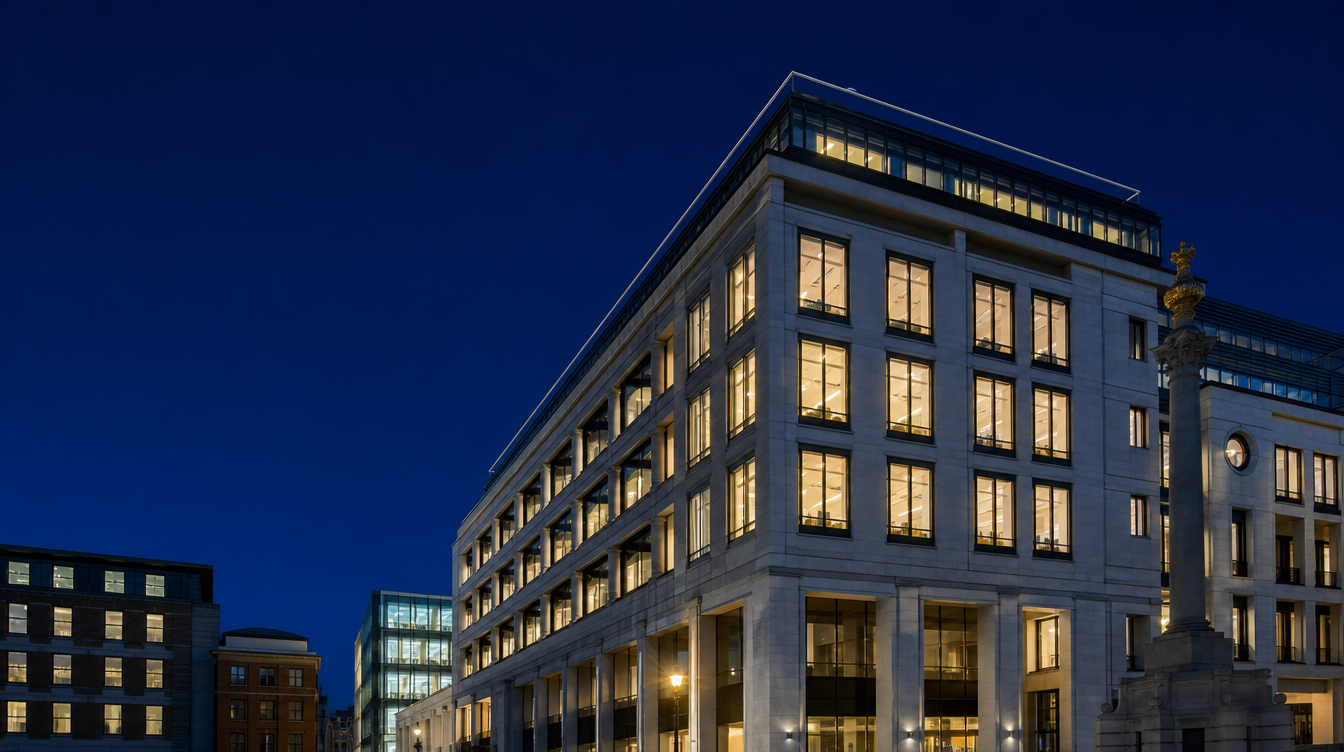
The London Stock Exchange is going nocturnal. On Tuesday the group unveiled LSE 24, a new venue that will trade from 5:00pm to 7:50am London time, Monday through Friday, with a 30-minute nightly pause for end-of-day processing. The Main Market keeps its 8:00am to 4:30pm session. Stitch the two together and London is open for business nearly 23 hours a day.
ETPs first, equities next
The rollout is dated. Client testing starts by the end of 2026, and exchange-traded products go live in the first half of 2027, pending regulatory sign-off, with equities to follow. The venue runs on LSEG's digital markets stack, including its planned Digital Securities Depository, and is explicitly built for algorithmic and agentic flow — AI agents executing orders without a human on the desk. CEO Julia Hoggett said the launch marks an important step in the evolution of the group's markets and should support deeper liquidity and broader participation.
The race London couldn't sit out
The pressure is transatlantic. NYSE holds preliminary approval for a 22-hour trading day, Nasdaq has filed with the SEC for a 23-hour session targeting a launch in the second half of 2026, and Cboe is working on similar plans. The demand side is easy to quantify: foreign investors own roughly $17 trillion of US stocks, and most of them live in time zones where the closing bell rings at midnight. Crypto wrote the template here — Bitcoin has traded around the clock for years, and CME flipped its crypto futures to 24/7 in June. Cash equities are the last major asset class still keeping banker's hours.
What it means for traders
Wall Street's skeptics have a point: overnight sessions are thin, and thin books amplify every print. Expect LSE 24 to start as a venue for professionals and algos rather than retail. The bigger shift is in price discovery. Traders will be able to react to US closes and Asian data in London in real time instead of waiting for the open, which should compress opening gaps while pushing volatility into the illiquid small hours. For LSEG, it's a bet that market infrastructure, not listings, is the growth business — and the tape has been rewarding exactly that trade.