FTX Fifth Distribution: $900M to Creditors July 31
FTX begins its fifth creditor payout of roughly $900 million on July 31, pushing total repayments near $10 billion — priced at November 2022 claim values.
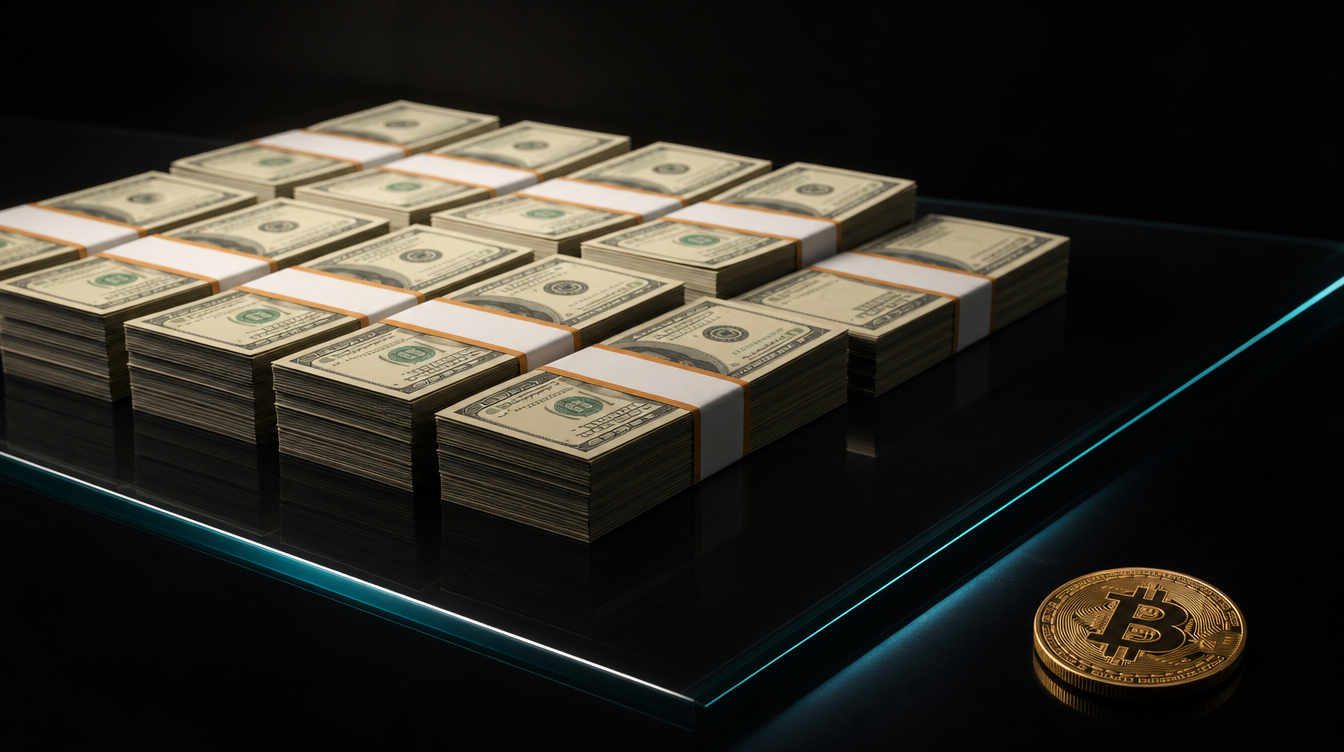
The FTX estate is writing checks again. Roughly $900 million goes out to creditors starting July 31, the fifth distribution since repayments began in 2025. Eligible claimants who cleared KYC, tax forms and onboarding with BitGo, Kraken or Payoneer by the June 16 record date should see funds within one to three business days. Cumulative payouts now approach $10 billion.
The headline math flatters
This round lifts the convenience class — mostly retail traders with smaller claims — to a cumulative recovery of 120%. General unsecured and digital asset loan claims pick up another 3 points to reach 103%. On paper, few bankruptcies in financial history have paid out this well: creditors are recovering more than their allowed claims.
Paid in 2022 dollars
The recovery rate is anchored to dollar values at the November 2022 collapse, when Bitcoin traded near $17,000. It sits around $64,000 today. Anyone who held coins on FTX gets 120% of a fraction of current value; the three-year rally accrued to the estate, not to claimants. That is the core of the long-running complaint about the lack of in-kind repayment, and no distribution round fixes it.
Market read: flows, not fireworks
This is a fiat distribution, so there is no direct sell pressure from the estate. The more interesting flow runs the other way: some share of the $900 million will likely rotate back into BTC, ETH and SOL. History argues for modest expectations — March's $2.2 billion round produced no measurable bid. A large slice of claims changed hands long ago, sold at a discount to distressed-debt funds, so much of this cash lands with professional holders under no compulsion to buy spot crypto.
Timing matters too. Bitcoin is grinding around the $64,000 mark and the Coinbase premium has been negative for roughly 60 days — a tape defined by absent US spot demand. Against a $2 trillion-plus asset class, $900 million is noise. The signal is cleaner: the largest fraud in crypto's history is being wound down in orderly fashion, and one more legacy overhang is coming off the list.