Tether Freezes $39M USDT on Xinbi-Linked Tron Wallets
Tether froze $39.27M USDT across ten Tron wallets tied to Telegram market Xinbi Guarantee, a reminder of how centralized the biggest stablecoin really is.
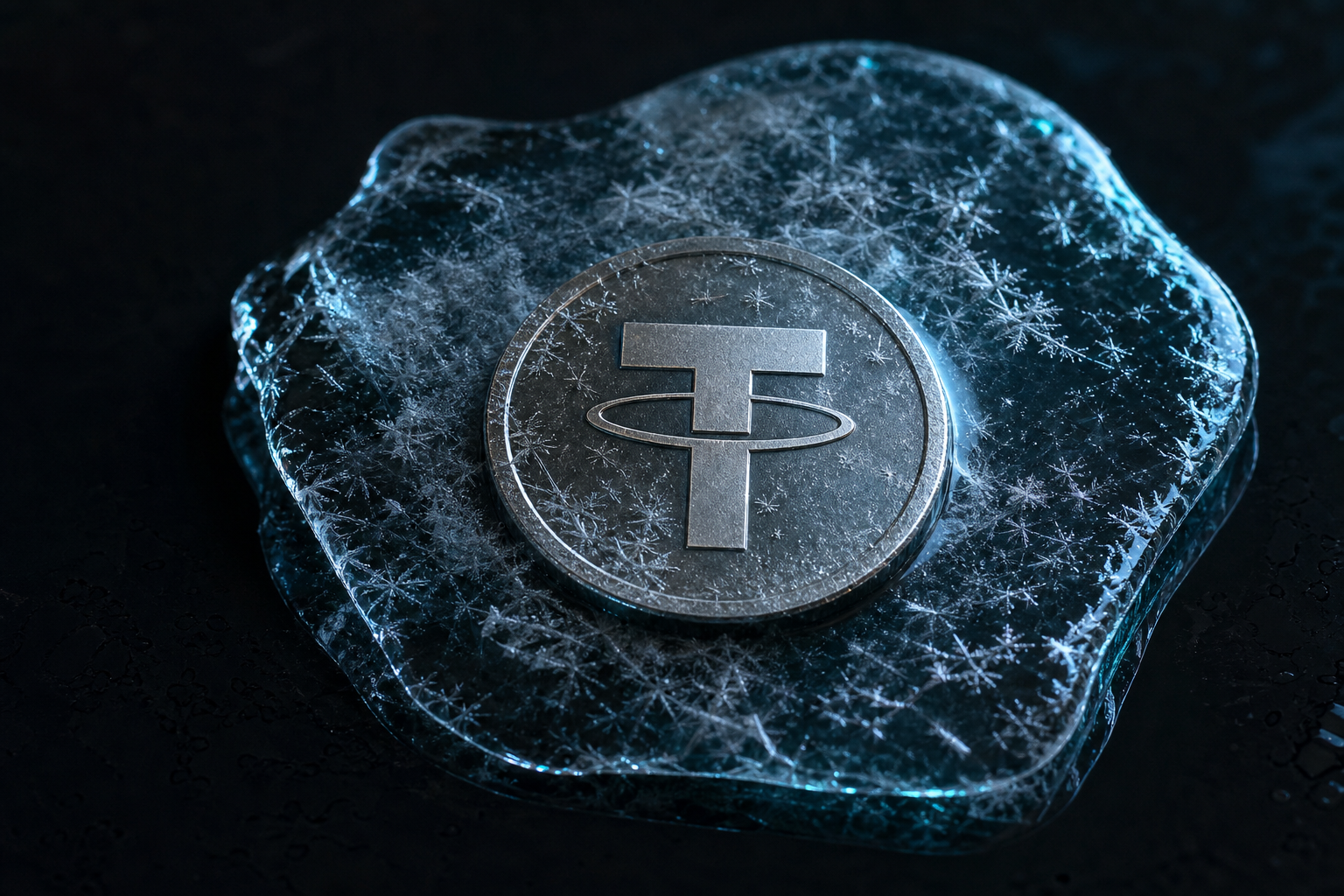
A Cut at the Contract Level
Tether froze roughly $39.27 million in USDT across ten Tron addresses on September 8. Blockchain forensics firm MistTrack tied the wallets to Xinbi Guarantee, a Chinese-language Telegram escrow marketplace that has operated as a settlement layer for shady deals since 2022. The single largest wallet held more than $10 million. The freeze bites at the token-contract level: the affected coins cannot move, and there is no on-chain path back.
What Xinbi Actually Is
TRM Labs ranks Xinbi among Southeast Asia's largest illicit crypto marketplaces and pegs the volume it has processed at around $24.2 billion. The UK sanctioned the platform in March, citing links to scam compounds and human-rights abuses. The action extends Tether's earlier crackdown on Huione-linked funds and reads as another strike against the Telegram economy that launders scam proceeds.
The Read for Traders
The episode is one more reminder of how centralized the world's biggest stablecoin really is. Tether can freeze any USDT on any chain, with no court order and no warning. For the compliance narrative, that is a selling point: the issuer is visibly working with investigators and starving criminal networks of liquidity. For the fantasy of a censorship-resistant currency, it is the opposite.
Price-wise, the cut is noise. Against a USDT float north of $170 billion, $39 million is a rounding error, and the peg holds at a dollar. The signal is what matters. Anyone routing size through gray zones on Tron now has to price in that the balance can vanish without negotiation. That freeze power is the toll the market pays for a liquid, dollar-backed stablecoin.
For Tron, the news cuts both ways. The network prints money on USDT transfers and has become the default rail for stablecoin payments, licit and otherwise. Every public freeze underlines that a meaningful slice of that volume comes from flows regulators and the issuer are steadily draining. It does nothing to TRX in the near term. Over a longer horizon the risk shifts: the tighter Tether and enforcement agencies cooperate, the more clean payment flow migrates to regulated rivals, leaving the rest on a rail that can be reached into at any time.