SK Hynix Sinks 15% After Record $26.5B Nasdaq Debut
SK Hynix plunged 15.4% three days after its $26.5B Nasdaq listing, dragging Micron and the memory sector lower. What the rout means for the AI trade and crypto.
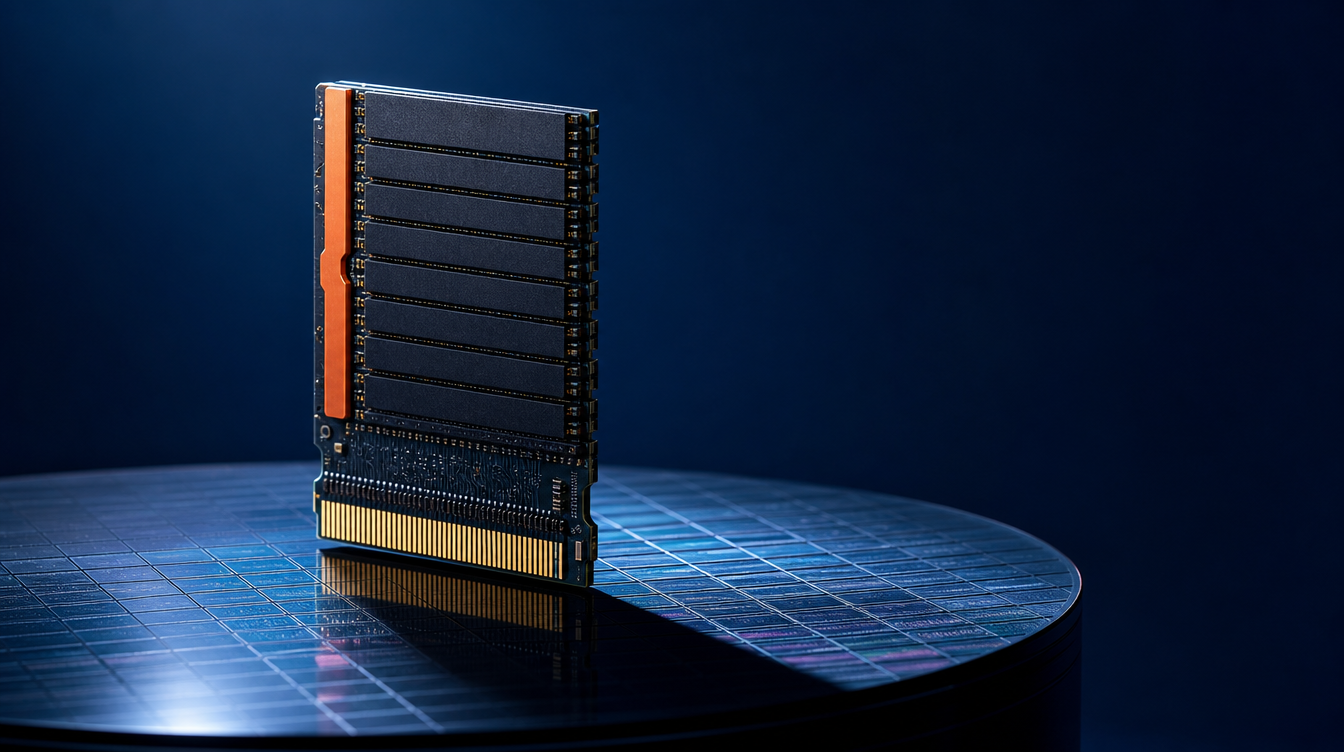
The second-largest share sale in US history needed exactly three trading days to turn into the stock's worst session in nearly two decades. SK Hynix sank 15.4% in Seoul on Monday, while its freshly minted US shares dropped 7.9% in early trading to around $154.70 — down from Friday's debut close of $168.01.
Record listing, record unwind
The memory-chip maker priced 177.9 million ADS at $149 on July 10, raising $26.5 billion — the biggest US listing ever by a foreign company and second only to SpaceX's $86 billion sale last month. The book was multiple times oversubscribed, the debut popped 13%, and the chairman told CNBC demand was enormous. Three days on, most of that euphoria has been given back.
More than profit-taking
Three forces are at work. First, straightforward profit-taking after the scorching run-up that carried the Seoul listing into the Nasdaq debut. Second, valuation arbitrage: the market is still finding the fair spread between the Korean line and the new US shares, and until it settles, fast money sells first. Third — and this is the heavy one — expectations for shipment volumes of the new HBM4 chips have been dialed back after the anticipated growth failed to materialize.
The damage spread accordingly. Micron fell 6.4%, SanDisk 8.4%, Western Digital 6.8%. That makes two rough weeks in a row for chips this July, as stretched valuations collide with the first real doubts about how long the AI-capex boom can run.
Why crypto traders should care
Crypto trades off the same risk dial as the AI complex. Bitcoin has been tracking the Nasdaq closely for months, and the link is no longer just correlation: miners like TeraWulf have chained themselves to the AI-capex story with multibillion-dollar data-center deals. When that story gets repriced, both sides of the trade feel it — the chip stock and the coin. The SK Hynix rout is not a verdict on AI demand itself; order books remain full. What it shows is that at record valuations, the market has zero patience for missed volume expectations. For traders, the read is simple: until the memory sector stabilizes, every risk-on move in BTC and AI-adjacent names trades on borrowed conviction.