Riot $9B Anthropic Deal Turns Miner Into AI Host
Riot will host Anthropic AI compute on 191 MW in Texas for 20 years, worth ~$9B. Why the pivot re-rates Bitcoin miners on power, not hashrate.
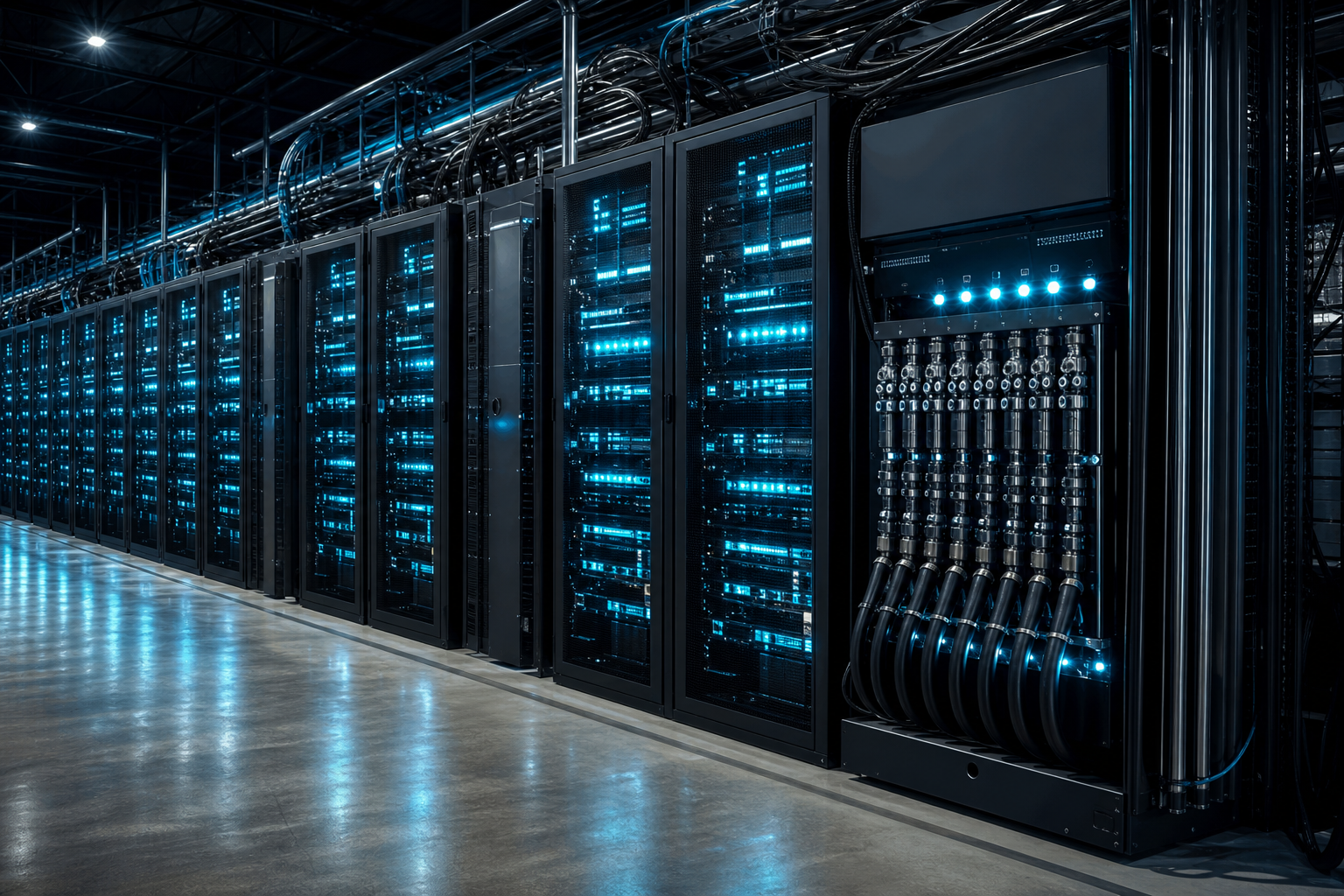
AI Moves Into the Mining Halls
Riot Platforms is turning its Bitcoin-mining capacity into a rental business. The miner said it had signed a 20-year contract with a "leading frontier AI company" without naming the client. Bloomberg reports it is Anthropic: a deal worth roughly $9 billion for 191 megawatts of capacity at the Rockdale campus in Texas.
The move reshapes Riot's business model. Instead of living and dying by the Bitcoin price, the company locks in predictable rent for two decades. For a sector whose revenue shrinks with every halving and every drawdown, that is the more attractive cash-flow curve.
A Second Miner Pact in Weeks
For Anthropic this is the second deal of its kind in short order. In early July the AI lab signed another 20-year contract, this time with TeraWulf, worth $19 billion. Bernstein spelled out the logic back in late July: AI data centres are running into the limits of the power grid, and miners sit on exactly what is scarce — permitted grid interconnections and megawatts available now.
That is what makes the industry valuable to the AI names. A firm that already holds a 200-megawatt hookup in Texas owns a lead that no amount of capital buys overnight. Miners are no longer selling compute. They are selling power and location.
What It Means for RIOT
Riot ranks as the fourth-largest listed miner, worth $7.33 billion. A $9 billion contract exceeds its own market cap — and shifts the valuation base from volatile hashprice toward recurring infrastructure cash flow. For the stock that is the sturdier anchor, even if retrofitting the halls for AI-grade cooling and interconnect ties up capital and takes time.
The re-rating is unlikely to stop at Riot. Bitdeer, CleanSpark, MARA Holdings, Core Scientific, Hut 8 and IREN are all pushing into high-performance computing. The market will now split the field in two: miners with leasable capacity and long-dated AI contracts on one side, pure hashrate bets with no interconnect reserve on the other. Trade the sector from here and you are pricing power agreements, not terahash.