Poolin Files for Bankruptcy: $52M in Rigs to Be Sold
Poolin, once the top Bitcoin mining pool, files for US insolvency and will sell $52M in assets. How the 2022 freeze and the halving sealed its end.
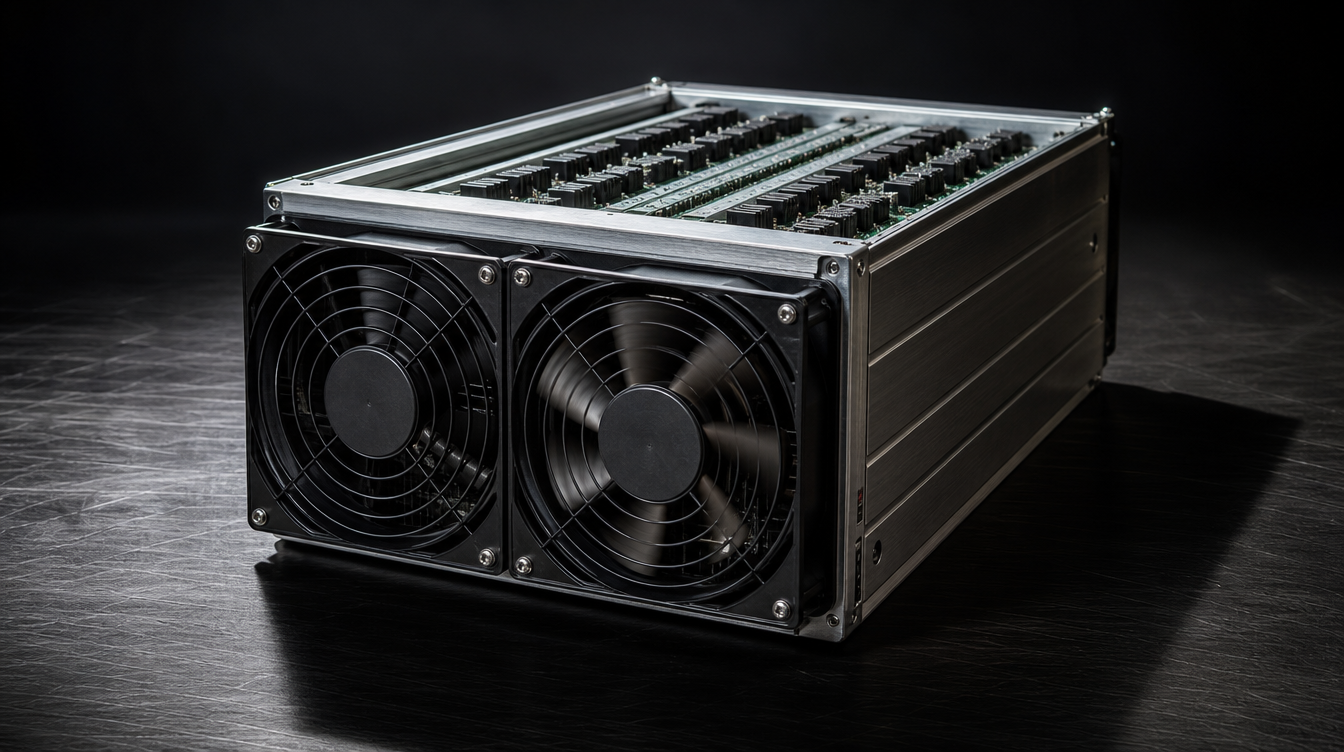
Once the Biggest Name in Mining
Poolin was, briefly, number one. Founded in 2017 by former Bitmain engineers, the pool commanded more than 12% of Bitcoin's global hashrate at its peak and traded the top spot with AntPool and Foundry. That era is now formally over. The company has filed for insolvency in the US, with at least $52 million in assets set to be sold to cover creditors.
The 2022 Freeze Catches Up
None of this is a surprise. Back in September 2022, mid-bear-market, Poolin froze all withdrawals and blamed a liquidity gap. Customer balances were converted overnight into internal "Poolin Points," an IOU with no maturity date. Anyone who hadn't already pulled their funds never got them back. Tens of thousands of miners lost their balances, and the pool's hashrate share collapsed from double digits to near zero. The filing simply ratifies what the market priced in almost four years ago: the capital is gone and the brand is dead.
Where the Halving Hits Hardest
The real driver is mining math. Since the 2024 reward halving, each block pays just 3.125 BTC. Hashprice, the revenue earned per terahash, sits near record lows while network difficulty keeps grinding higher. Operators running older rigs on expensive power with no fresh equity are underwater, full stop. Even current-generation machines earn thin margins once power creeps above a few cents per kilowatt-hour. Poolin was already impaired going into the halving; the reward cut finished the job.
What Traders Should Take From It
For spot BTC, this is not a catalyst. Poolin's hashrate migrated elsewhere long ago, and the hardware liquidation adds only marginal selling pressure. The signal is structural. Consolidation across the mining sector is still running, and it draws a clean line between two camps: the stragglers like Poolin that fall out of the cycle, and the operators leasing their data-center capacity to AI tenants to find the cash flow that pure mining no longer delivers. Meanwhile block production keeps concentrating: Foundry and AntPool now build the bulk of blocks between them, and hashrate decentralization thins out with every operator that drops off the edge. To survive as a miner in 2026 you need either the cheapest power on the grid or a second business line. Poolin, in the end, had neither.