Oil Shock Forces the Fed: First Rate Hike Since 2023?
Crude above $98 and the 30-year yield at 5.13% have a third of the market pricing the Fed's first hike in three years. Why Bitcoin is staying oddly calm.
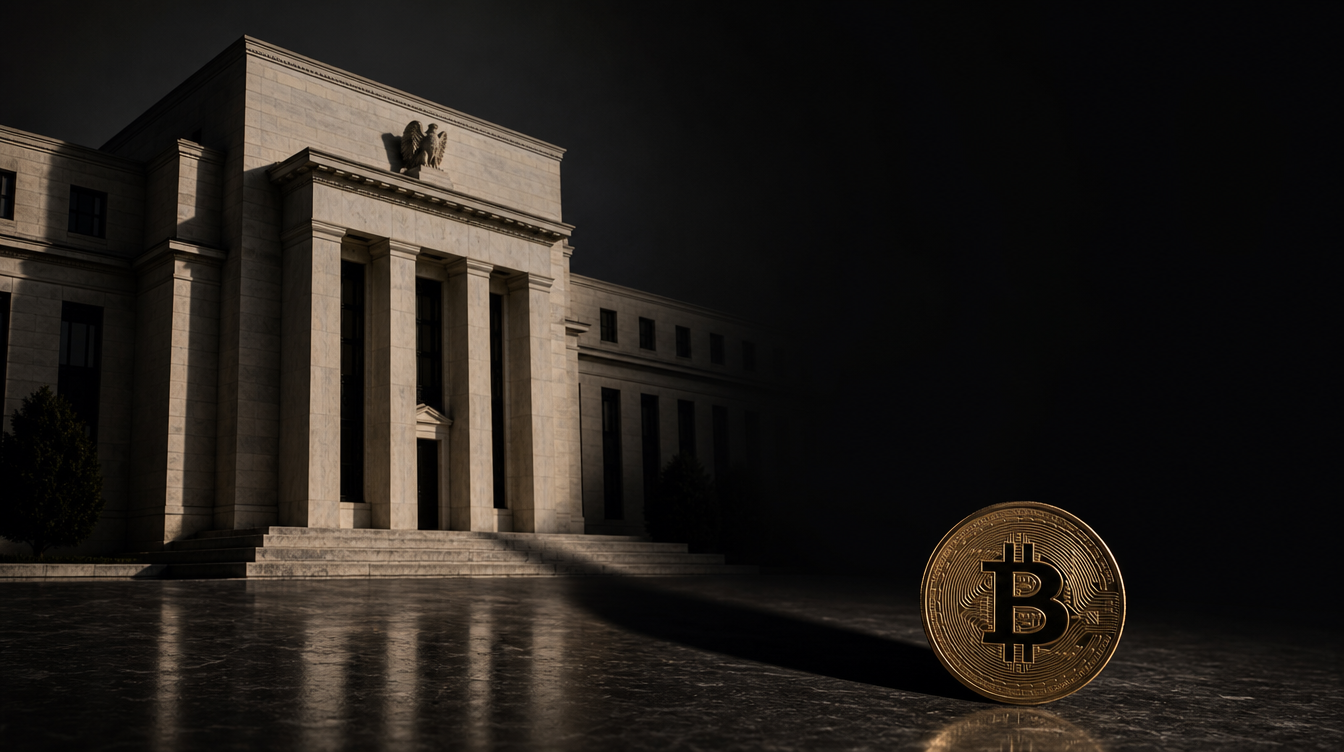
Five Days, a New Macro Regime
A Houthi strike on two Saudi tankers has done what months of data could not: it has dragged the Federal Reserve back into a tightening conversation. Crude has jumped 18% in a week to above $98, and the bond market has already drawn the conclusion. The 30-year Treasury yield pushed to 5.13%, its highest in years, as traders repriced the entire back end of the curve.
The Market Prices a Turn
For the first time since July 2023, a meaningful share of investors is betting on higher policy rates. Roughly a third of the market now prices a hike at the next FOMC meeting, a clean break from the easing narrative that defined the year. The Fed's bind is real: an oil shock is supply-side inflation, and rate hikes are a blunt tool against it, one that cools growth even as it fails to touch the cause. Powell is being pushed toward the harder option, and the curve says the market believes he will take it.
Bitcoin's Conspicuous Calm
The notable move is the one that isn't happening. Bitcoin sits near $64,000, up barely 1% on the week while oil spiked and bonds sold off. That stillness cuts both ways. Read charitably, it is maturity, with Bitcoin shrugging off short-term macro noise and trading like an established asset. Read cautiously, it is compression before a catalyst, and compressed volatility rarely lasts.
What's at Stake
The risk map is shifting under traders' feet. Rising real yields are historically corrosive for non-yielding assets like Bitcoin and gold; a confirmed Fed pivot would firm the dollar and lift risk premia across the crypto complex. If the calm breaks, over-leveraged altcoins take the first hit, well before Bitcoin does. The level that matters isn't a price, it's the FOMC print. Should the Fed validate the market's rate fears, Bitcoin's poise loses its footing. Until then, the low volatility is the signal, and the only open question is when it snaps.