Oil Rips 7% as Iran Truce Breaks — Metals Slide
Trump calls the Iran ceasefire 'over,' sending WTI up 7% and the Dow down 600. Silver hits a December low as returning Fed-hike bets crush the metals bid.
The Oil Shock Is Back
President Trump has declared the fragile Iran ceasefire finished. "To me, I think it's over," he told reporters alongside NATO chief Mark Rutte, floating fresh strikes on Tehran. The tape moved instantly. WTI jumped roughly 7% to $75.38 and Brent climbed 7.4% to $79.65. The Dow shed about 600 points, with the S&P 500 and Nasdaq off 0.5% to 0.6%. Refiners topped the S&P as the broad market took cover.
Havens That Didn't Bid
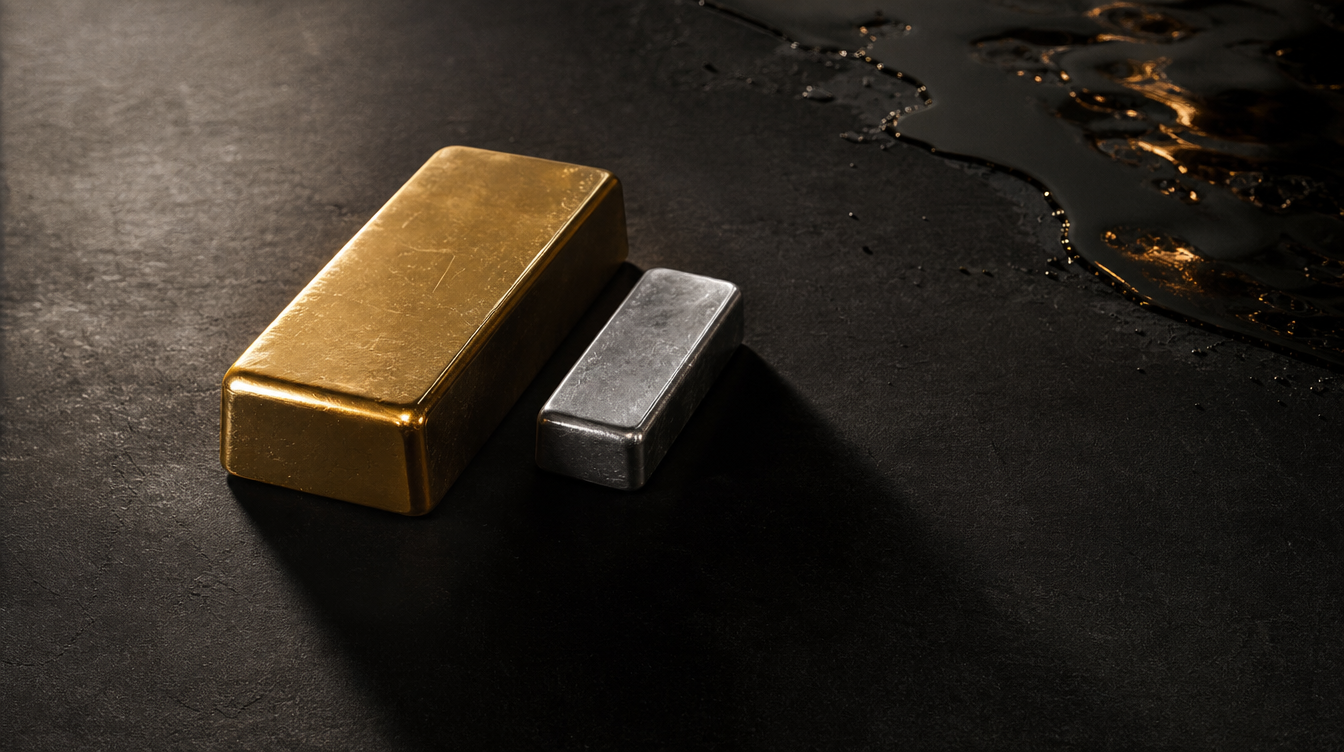
The real story sits in metals. Anyone expecting the reflexive geopolitical flight into gold came away empty-handed. Silver dropped more than 2% to $58.40 an ounce, its lowest since December 2025, while gold slipped to $4,076. The mechanism matters: pricier crude lifts inflation expectations, and in this regime hotter inflation means a harder Fed.
The Rate Bet Flips
Futures now price in at least one more Fed hike before year-end. That is poison for non-yielding assets — as real yields grind higher, bullion loses its relative appeal, and a firmer dollar piles on. The market is trading this shock as a rate story: inflation first, fear later. For metals, that's the wrong side of the ledger. The split inside equities tells it plainly: refiners bank the crack spread while everything else foots the bill.
The Trade Ahead
Back in mid-June, the then-fresh Iran deal fueled risk appetite: Bitcoin ripped to $78,000 and metals turned higher. Trump's reversal claws that premium back. As long as the hike narrative holds, precious-metals longs stay on the defensive. A genuine haven bid only arrives once the tape flips from an inflation story to a recession one — and on Wednesday it's nowhere close. The next tell comes from US inflation prints and events in the Gulf: a real disruption at the Strait of Hormuz would stoke the oil push further and extend the rate trade.