Nvidia RTX Spark Superchip Takes Aim at Intel, AMD
Nvidia unveils the RTX Spark, an Arm superchip for Windows laptops, at Computex. Arm +16%, Qualcomm −7%: what the AI-PC trade means for chip investors.
Nvidia Finally Comes for the PC
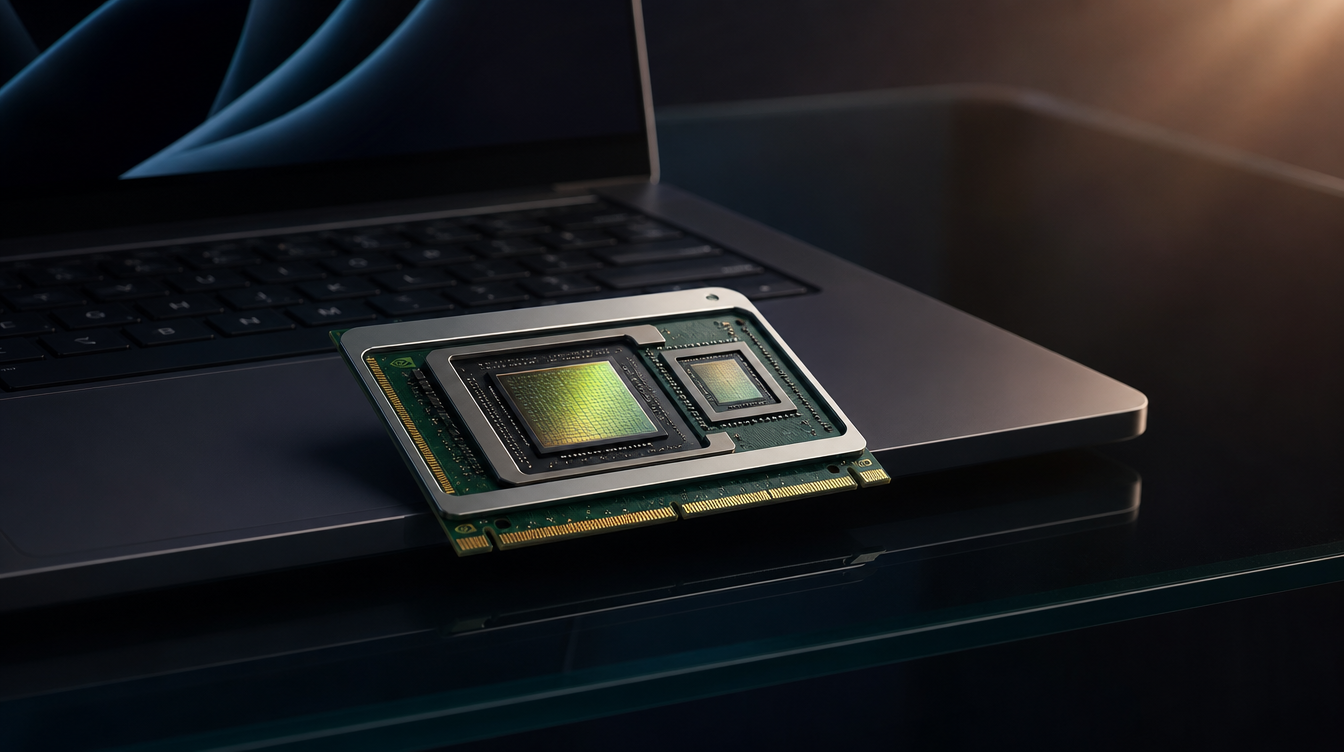
At Computex in Taipei, Jensen Huang pulled the wraps off RTX Spark, Nvidia's first processor built for Windows machines. It fuses a Blackwell GPU with a custom Arm-based Grace CPU co-designed with MediaTek, bolted to 128GB of unified memory. Huang didn't undersell it, framing the launch as a reinvention of the PC as consequential as the move from phone to smartphone.
The Coalition Is Already Lined Up
RTX Spark laptops and compact desktops land in fall 2026 from Dell, HP, Lenovo, Asus, MSI and Microsoft Surface, with Acer and Gigabyte to follow. Microsoft is standing shoulder-to-shoulder, co-marketing the machines as "personal AI" PCs. The initial target isn't the mass market — it's creators, AI developers and gamers who want local inference on thin, premium hardware. That's the high-margin slice, and it's exactly where Intel and Qualcomm least want a fight.
The Tape Repriced the Silicon Stack
The reaction was clean. Nvidia +4%, Microsoft +3%, Dell and HP both up more than 5%. The Arm complex ran harder still — Arm Holdings +16% premarket, MediaTek +5%. On the other side of the trade, the incumbents took it on the chin: Qualcomm −7.2%, Intel −5.4%, AMD −4.5%. The market read this exactly as intended — a direct assault on the x86 and Snapdragon grip on Windows laptops.
Why the x86 Moat Is Cracking
For decades, Windows was effectively synonymous with x86 — Intel and AMD supplied the CPUs and the software stack was tuned around them. Qualcomm built an Arm beachhead with Snapdragon but stayed niche. Nvidia changes the math because it isn't just shipping a CPU: it bolts GPU horsepower and 128GB of memory right next to the processor — exactly what local AI models are hungry for. With Microsoft co-marketing the push, the Arm bet finally gets the distribution and software muscle it has always lacked.
What Desks Are Watching
The real signal is the Arm transition. If Nvidia and Microsoft drag premium Windows onto Arm, the structural bid shifts away from x86 for years, not quarters. The caveat keeping confidence in check: there are no shipping benchmarks yet. Nvidia is holding performance numbers until closer to launch, and "fall" leaves room to slip. For now the cleanest relative-strength play sits in the Arm names, while anyone long Intel or Qualcomm has to re-underwrite the notebook franchise.