IBM Crashes 25% as Memory Boom Eats Software Budgets
IBM plunges over 25% after a Q2 earnings warning, its worst day since 1987, as clients shift budgets from software to supply-constrained memory chips.
Worst Day Since 1987
IBM cratered more than 25% on Monday, its ugliest session since October 19, 1987, when the stock shed 23.7%. Roughly $50 billion in market value evaporated after a preliminary second-quarter warning. Adjusted EPS came in at $2.93 against the $3.01 the Street wanted; revenue landed at $17.2 billion versus a $17.86 billion consensus. A ~$660 million top-line miss is a genuine shock for a stock traders treat as a defensive anchor.
The Memory Boom Is the Culprit
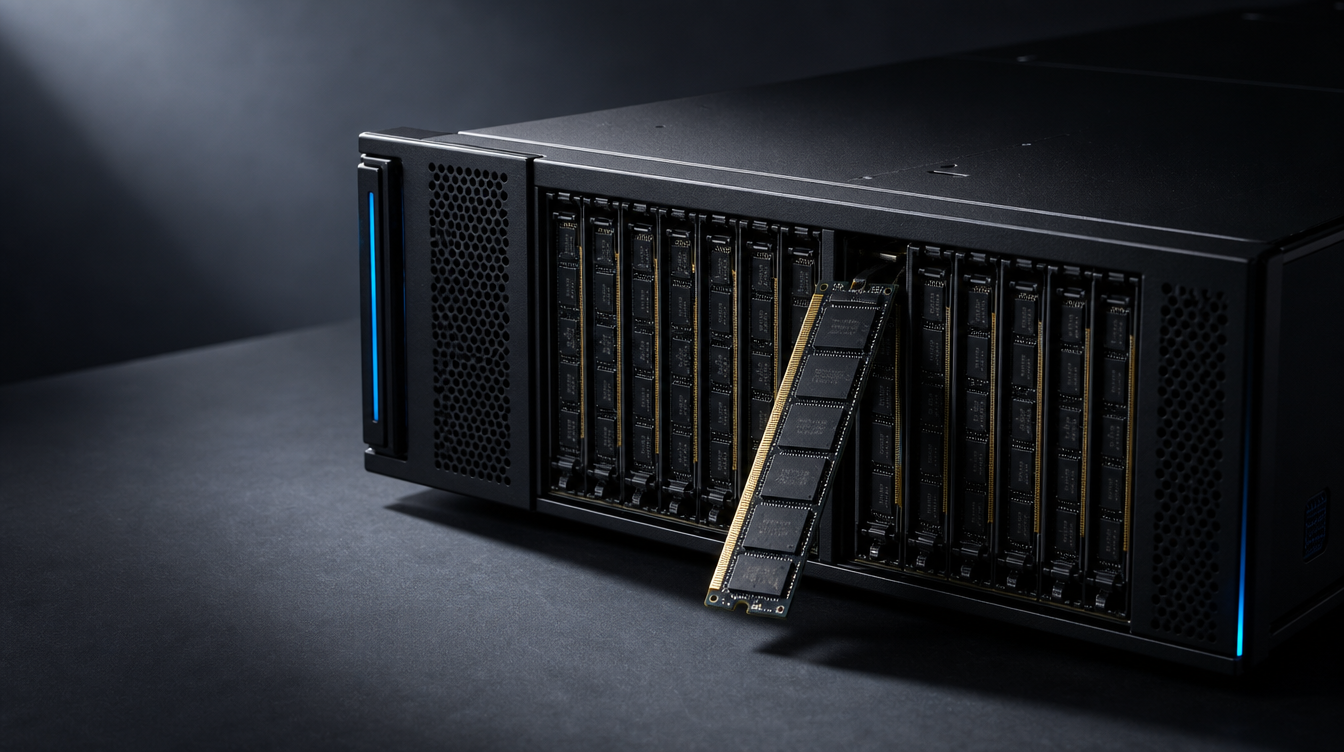
CEO Arvind Krishna's letter to investors is the part that should worry the whole sector. In the final weeks of June, he wrote, clients rotated their quarterly capex toward servers, storage and memory to lock in supply-constrained hardware before expected price hikes. Translation: the same DRAM and HBM squeeze powering Micron and SK Hynix is now draining demand from IBM's high-margin software and services book. The AI build-out just bit one of its supposed beneficiaries.
A Pattern, Not a One-Off
This is the second memory-driven warning in a week. SK Hynix dropped 15% on Monday, three days after its Nasdaq debut. The read-through for traders: the capex pie isn't growing, it's being reallocated. Every dollar hoarded into silicon is a dollar pulled from software and consulting contracts that are easy to defer. IBM's hybrid-cloud and consulting franchise was supposed to be cycle-proof. That assumption is now on the table.
The Trade
The damage runs past IBM itself. It forces a rethink of the AI trade's plumbing: hardware suppliers win the capex, but the software layer — IBM and the big SaaS names alongside it — risks watching budgets bleed into chips, at least for a quarter or two. Final numbers and guidance land July 22. Until then, expect enterprise-software multiples to trade nervous. A one-off earnings miss is survivable; a structural demand shift is not.