CLARITY Act: US Senate Votes on Crypto Market Rules
The US Senate takes up the CLARITY Act as Bitcoin, Ether and XRP slip. Passage would shift most tokens to CFTC oversight and away from the SEC's reach.
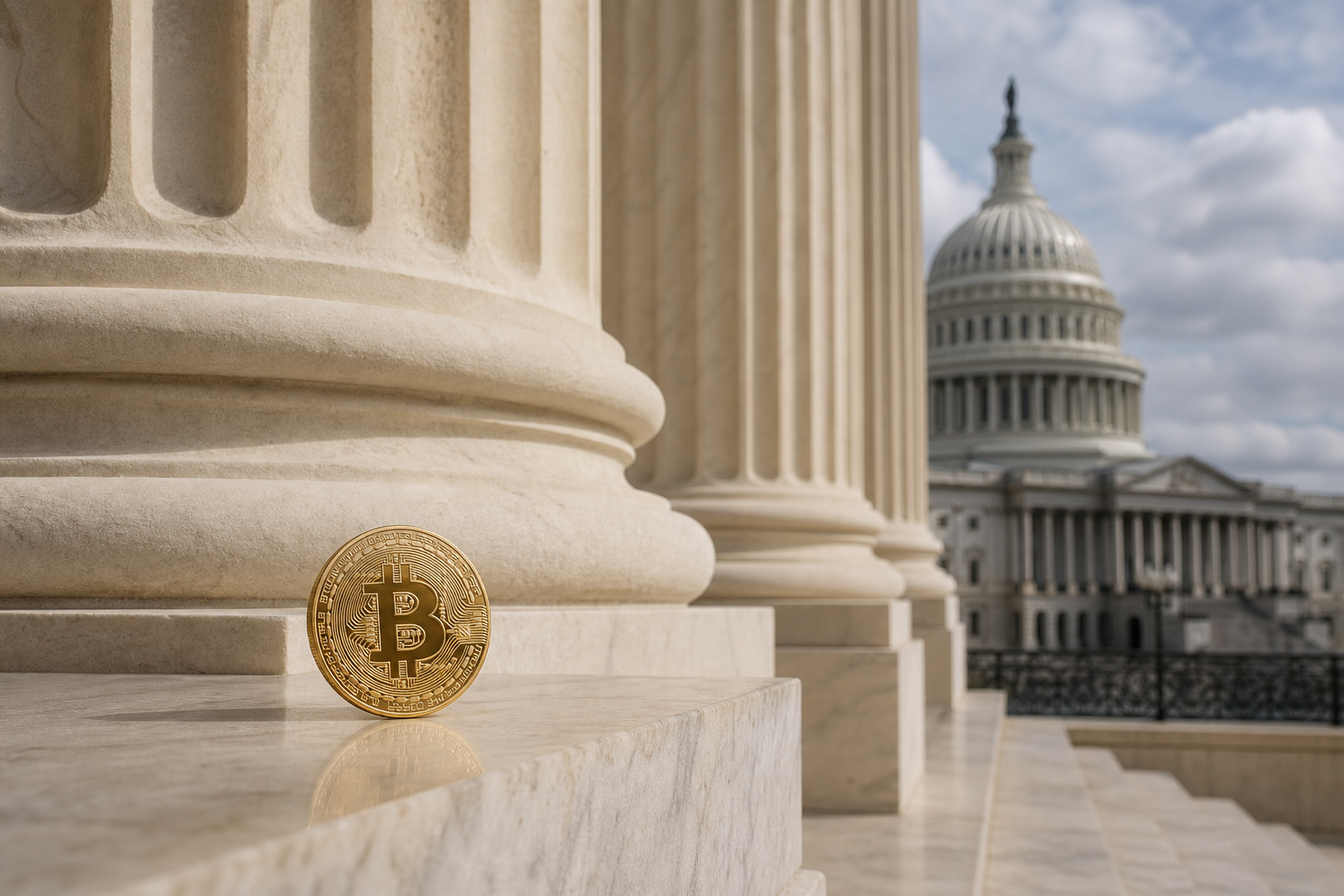
The US Senate is lining up a vote on the Digital Asset Market Clarity Act — CLARITY — the market-structure bill that would redraw who polices crypto. Under the text, most tokens would trade as digital commodities overseen by the CFTC rather than as securities under the SEC. The House cleared the bill back in 2025. The upper chamber now holds the pen.
Traders de-risk into the vote
Bitcoin, Ether, XRP and Dogecoin all eased ahead of the ballot. It is the familiar playbook: ahead of a regulatory fork, desks trim exposure instead of betting the outcome. One analyst pegs Bitcoin at $90,000 — but only if the bill passes and settles the jurisdiction question cleanly in the CFTC's favor. Leave the oversight line fuzzy and the rally has nothing to stand on.
Why the jurisdiction call is the whole game
SEC-versus-CFTC is not a technicality. Under the SEC, a token drags the full securities regime behind it: registration, disclosure, liability. Under the CFTC it moves as a commodity, with lighter filings, cleaner trading rules and a workable path for exchanges and custodians. For US venues like Coinbase and Kraken, the entire product shelf rides on where that line lands. That is why this bill matters more to the sector than the next rate call.
The friction sits in the fine print
CLARITY draws the line at how decentralized a network is: run it distributed enough and its token lands with the CFTC. That is exactly where the fight is. Consumer-protection senators warn of a back door that lets issuers duck the tougher securities regime. After the GENIUS stablecoin law, this is the second major pillar of US crypto rulemaking — and by far the more contested one.
What to watch
The result is genuinely open. A market-structure bill needs 60 votes in the Senate, and the caucuses remain split on the consumer-protection language. A failed or delayed vote likely keeps pressure on the majors near term. A clean pass flips the story away from Fed-watching and back toward the regulatory premium, a tailwind for the listed crypto names. Until the tally prints, expect thin, headline-driven tape.